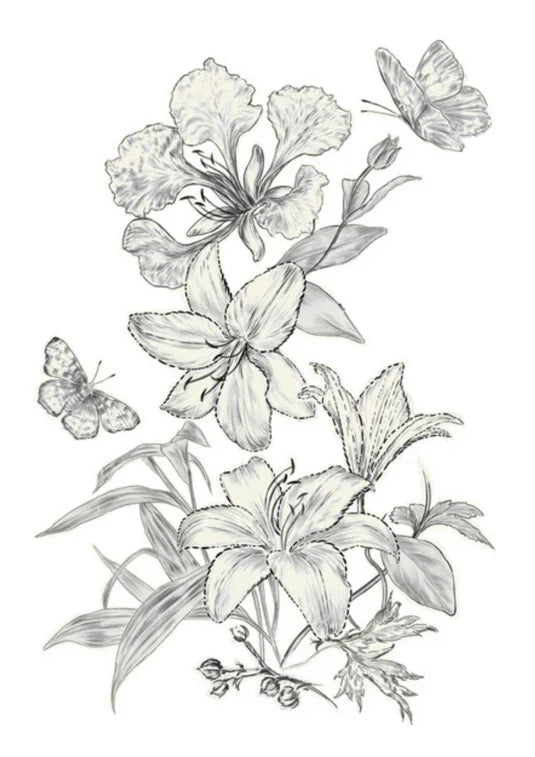
Men's fashion has become more detailed and expressive in recent years. While plain shirts remain a classic choice, embroidered shirts offer another way to add character to an outfit without making it look too formal or complicated. From small floral details to larger handcrafted patterns, embroidery can change the overall appearance of a simple shirt.
However, choosing the right embroidered shirt is not only about the design. Fabric, fit, embroidery style, colour, and the occasion all make a difference. Understanding these details can help you select a shirt that looks good and feels comfortable.
What Makes an Embroidered Shirt Different?
An embroidered shirt usually features decorative patterns created with thread or other materials. The embroidery may be placed on the collar, chest, sleeves, cuffs, or across the entire garment.
Some designs are subtle, with only a small motif on the chest. Others are more noticeable and may include floral, geometric, botanical, or traditional Indian patterns.
The amount of embroidery does not necessarily determine the quality of a shirt. Good embroidery should work naturally with the fabric and overall design.
Choosing the Right Fabric
Fabric is one of the first things to consider when buying an embroidered shirt.
Cotton is a popular choice because it is breathable and comfortable for everyday use. Linen is another good option, particularly during warmer months. Cotton-linen blends can also provide a balance between comfort and structure.
For evening events, slightly heavier fabrics may work better because they can support more detailed embroidery.
Before buying, check the fabric description and care instructions. A beautifully embroidered shirt can lose its appeal if it is difficult to maintain or uncomfortable to wear.
How Much Embroidery Is Right for You?
The amount of embroidery should depend on your personal style and the occasion.
For everyday wear, a shirt with a small embroidered detail can add interest without becoming the main focus of your outfit. A floral motif near the chest or a simple embroidered cuff can work well with jeans or trousers.
For weddings, festive occasions, or evening events, you may prefer a more detailed design. In these situations, embroidery can become the main feature of the shirt.
A useful rule is to balance the rest of your outfit. If the shirt has heavy embroidery, choose simple trousers and accessories.
Picking the Right Colour
Colour affects how embroidery appears.
Neutral shades such as white, beige, cream, navy, and black provide a simple background for detailed embroidery. These colours are also easy to combine with different trousers.
Pastel colours can create a softer summer look, while darker shades can give an embroidered shirt a more formal appearance.
You should also consider the colour of the embroidery itself. A contrasting thread creates a stronger visual effect, while embroidery in a similar shade creates a more understated look.
Embroidered Shirts for Different Occasions
An embroidered shirt can work for several occasions when styled correctly.
For casual outings, choose lightweight fabric and minimal embroidery. Pair it with denim or relaxed trousers.
For festive events, look for traditional or artistic embroidery with a slightly richer fabric.
For dinners or special occasions, a dark shirt with carefully placed embroidery can provide a polished appearance without requiring a jacket.
The key is to match the amount of decoration with the setting.
Hand Embroidery vs Machine Embroidery
Not every embroidered shirt is made in the same way.
Machine embroidery is generally faster and allows patterns to be produced consistently. Hand embroidery involves individual work by an artisan and may show small variations between garments.
Neither option automatically means that one shirt is better than another. The important point is to understand what you are buying.
If a garment is described as hand embroidered, check the product information to understand what parts of the garment are actually handmade.
How Should an Embroidered Shirt Fit?
Fit is especially important when a shirt has embroidery.
A shirt that is too tight can pull the embroidered area and affect how the pattern sits. A shirt that is too loose may make the design look less balanced.
For a modern appearance, look for a clean fit around the shoulders and chest while allowing enough movement through the arms.
Always check the brand's size chart instead of relying only on your usual size.
Caring for an Embroidered Shirt
Embroidery needs some additional care. Washing instructions depend on the fabric, thread, and decorative materials.
Some shirts can be gently machine washed, while others may require hand washing or professional cleaning.
Avoid harsh detergents and excessive rubbing around embroidered areas. When ironing, check the care label and avoid placing direct heat on delicate embroidery unless recommended.
Proper storage also helps prevent threads from catching or becoming damaged.
Final Thoughts
Embroidered shirts for men can be a simple way to add personality to a wardrobe. The best choice depends on your lifestyle, preferred style, fabric requirements, and the occasion.
Instead of choosing a shirt only because the embroidery looks attractive in a photograph, consider the quality of the fabric, construction, fit, embroidery technique, and care requirements.
A well-designed embroidered shirt should feel comfortable while allowing the craftsmanship to become a natural part of the overall outfit.
FAQs
1. Are embroidered shirts suitable for everyday wear?
Yes. Shirts with small or simple embroidered details can work well for everyday outfits, especially when made from breathable fabrics such as cotton or linen.
2. Can men wear embroidered shirts to weddings?
Yes. More detailed embroidery can work well for weddings and festive events. Choose the design according to the formality of the occasion.
3. Are hand embroidered shirts better than machine embroidered shirts?
They are different rather than automatically better. Hand embroidery involves individual craftsmanship, while machine embroidery offers consistency and faster production.
4. What trousers go well with embroidered shirts?
Plain trousers or jeans usually work well because they allow the embroidery to remain the main detail of the outfit.
5. How should embroidered shirts be washed?
Always follow the garment's care instructions. Delicate embroidery may require gentle hand washing or professional cleaning.
6. Are embroidered shirts comfortable in summer?
They can be, especially when made from lightweight cotton, linen, or breathable blends. The fabric is usually more important for summer comfort than the embroidery itself.